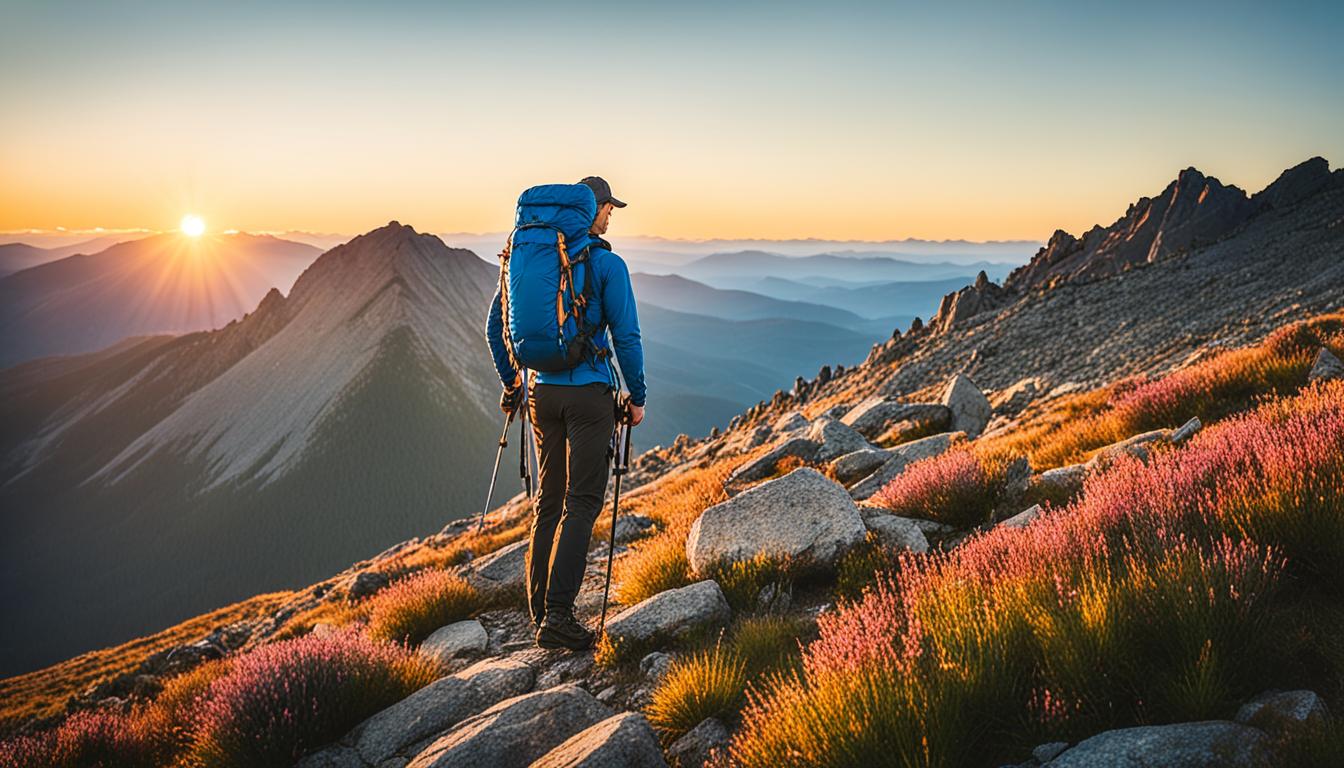
Get ready for an unforgettable outdoor adventure by learning how to plan a successful hike. This guide will teach you how to pick the best hiking spot, pack the right gear, navigate the trail, and stay safe. It’s perfect for both seasoned hikers and beginners looking to explore nature.
We’ll cover everything from finding trails and checking their difficulty to packing the right gear and getting ready for the weather. You’ll learn how to plan your route, use maps and GPS, and keep hydrated and energized on the trail. We’ll also talk about safety, permits, and how to respect nature and leave no trace.
So, put on your hiking boots, grab your backpack, and get set to explore the outdoors with confidence. With this guide, you’re all set for an amazing hiking adventure that will leave you with lasting memories and a deeper connection to nature.
Selecting Your Hiking Destination
Choosing the right hiking spot is key for a great adventure. Begin by looking into trails in your area or a place you want to visit. Think about the difficulty, length, and how pretty it is when picking trails.
Researching Potential Trails
Use online tools, hiking books, and talk to outdoor lovers to find trails you like. Check the trail’s length, how high it goes up, and what the ground is like. This helps you see if it fits your hiking skills and how fit you are. Reading what other hikers say can also give you good tips on the trail’s state and what to look out for.
Evaluating Difficulty Levels
Look closely at how hard trails are to make sure they’re right for you. Think about how steep it is, any tricky parts, and how much it will work you out. Beginners might want trails that are easy to follow and not too hard, while those with more experience can tackle tougher trails.
Packing the Essential Gear
Getting ready for a hike is more than just putting on your boots. You need the right gear for a safe and comfy trip. Your backpack is the main item that carries everything you need on the journey.
Hiking Backpack Essentials
Choose a backpack that’s tough, light, and made for outdoor use. It should have a strong frame, comfy shoulder straps, and a waist belt to spread out the weight. Put in your water bottles, protein snacks, first-aid kit, and extra clothes for the weather changes. Remember to pack a map, compass, and other tools for navigation.
Your gear also includes strong boots, a good rain jacket, and a cozy base layer. Quality hiking gear and outdoor equipment are key to staying dry, comfy, and ready for the trail.
Preparing for Weather Conditions
When planning your hiking trip, getting ready for the weather is key. Look at the forecast and bring the right gear for a safe and comfy hike.
Start by watching the weather forecast for where you’re going. This helps you know about temperature, rain, or wind changes. Pack clothes you can easily change, like moisture-wicking base layers, insulating mid-layers, and a waterproof jacket.

Think about the terrain and elevation changes too. High places can get cold, windy, and stormy. Bring rain gear, traction for your boots, and extra warm clothes to stay safe and cozy.
The weather can change fast, so always be ready for your outdoor adventures. By planning for different weather and packing smart, you can enjoy your hike more and make the most of nature.
Planning Your Route and Navigation
Starting a hiking trip needs careful planning. A key part is mapping out your path. Whether it’s a new trail or a familiar one, a good plan changes your hiking for the better. With detailed maps and navigation tools, you can hike safely and enjoyably.
Using Maps and GPS Devices
Knowing the terrain and topography of where you’re hiking is crucial. Get high-quality hiking maps that show the trail’s elevation, landmarks, and obstacles. Also, use GPS devices to track your journey, find your location, and get alerts for dangers.
Using maps and GPS together makes navigating easier. You’ll know the path, avoid problems, and enjoy the beauty around you. This prep makes your hike better, letting you enjoy the nature fully.
Activities to Enjoy on the Trail
Hiking lets you explore the outdoors and enjoy many activities, not just walking. It’s perfect for nature lovers or those wanting to soak in the beauty of nature. The trail offers a chance for a fulfilling experience.
Birdwatching is a favorite among hikers. Look for the colorful birds in their natural setting. Use binoculars and a guide to spot different species. It’s a great way to connect with the wildlife around you.
Photography is another great activity on the trail. The changing scenery, from high peaks to green forests, is perfect for photos. Capture the stunning views, the details of plants and animals, or your hiking moments. Try different views to make lasting memories.
For those interested in plants, the trail is a place to learn about foraging and edible plants. With the right guidance, you can find and eat safe, healthy plants. Just make sure to only eat what you can identify and leave the rest for nature.
The best way to enjoy hiking is to slow down and take in the beauty around you. Whether you’re watching birds, taking photos, or foraging, the trail is a place for deep exploration and appreciation of nature.
Safety Considerations and Precautions
Hiking is a thrilling outdoor activity, but safety should always come first. Learn basic first-aid skills and pack the right supplies before you go. Having a plan for emergencies can save your life.
First Aid and Emergency Preparedness
Accidents can happen, even on the best-planned hikes. Carry a first-aid kit with bandages, antiseptic wipes, pain relievers, and any needed medicine. Knowing how to handle common emergencies like sprains, cuts, or heat exhaustion can help you stay calm and care for yourself.
Try to hike with a partner or group when you can. It makes the hike more fun and ensures someone can help or call for aid if needed. Always tell a friend or family member your hiking plan and when you expect to return.
If you face a serious issue, like a medical emergency or getting lost, a plan is crucial. Look up local emergency services and keep your phone charged and in range. Think about getting a satellite device or emergency beacon for extra safety.

Being prepared is key to a safe and fun hike. By focusing on your safety and following best practices, you can enjoy the outdoors with confidence and peace of mind.
Obtaining Necessary Permits and Reservations
Before you start your hiking trip, make sure you have all the permits and reservations needed. This step is often missed but is very important for a good time outdoors.
You might need permits to get into certain trails or protected areas. These are usually needed to control the number of hikers, protect nature, and keep everyone safe. It’s key to check the permit rules for where you plan to hike.
Some popular hiking spots also ask for advance reservations. This is often the case in national parks, where they limit visitors to protect nature. Booking early ensures you can get on the trail and avoids missing out.
Whether it’s hiking permits or outdoor reservations, planning ahead is crucial. It makes your hike smooth and enjoyable. Don’t let paperwork ruin your outdoor adventure – stay on top of things and enjoy the beauty around you!
Staying Hydrated and Fueled on the Trail
Keeping up with hydration and nutrition is key for a great hike. Bring lots of water and snacks to keep your energy up. This will make your hike more fun and successful.
Nutritious Snacks and Meal Ideas
For hiking, eat foods rich in carbs, protein, and healthy fats. Good snacks are trail mix, granola bars, dried fruit, and nut butter packs. For meals, think about dehydrated meals, instant oatmeal, or pre-cooked dishes.
It’s also important to drink enough water on a hike. Carry a water bottle or hydration pack and drink water often. Sports drinks or tablets can help replace lost minerals too.
Good nutrition and hydration keep you going and prevent problems like muscle cramps. Plan your snacks and drinks to enjoy your hike safely and fully.
Respecting Nature and Leave No Trace Principles
As hikers and outdoor lovers, we must be mindful of nature. We should follow Leave No Trace principles to protect the natural world. This way, we keep these places safe for future generations.
Practicing hiking ethics means throwing away all waste properly. This includes food, personal items, or human waste. Always take out what you bring in, and use the right restrooms or bury waste right. Don’t harm or take any natural things like flowers, rocks, or homes of wildlife. We aim to leave trails and areas as untouched as we found them.
Being a good outdoor steward means respecting nature’s quiet and alone time. Keep quiet, don’t bother wildlife, and stay on trails. This helps keep the Leave No Trace rules, letting everyone enjoy nature’s beauty and peace.