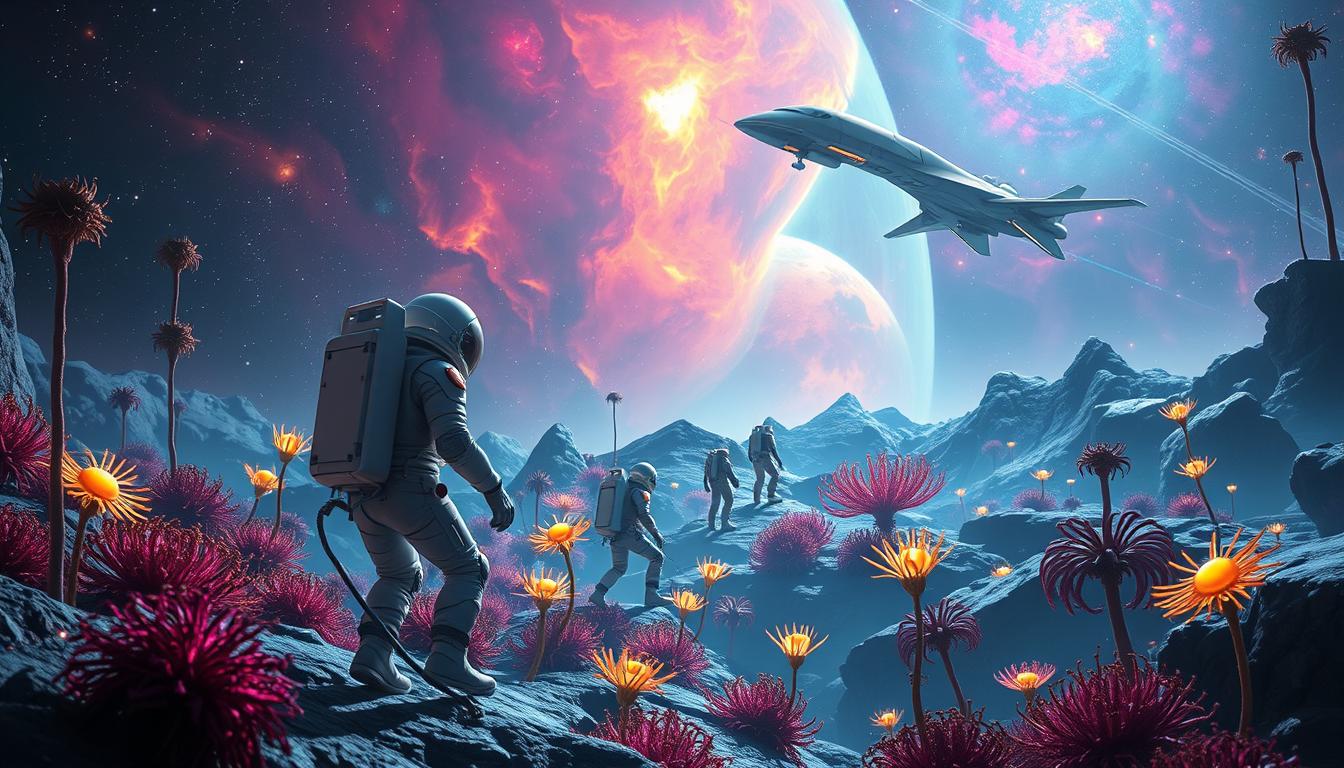
Exploring the Cosmos is an incredible achievement. Yet, the human body faces special challenges in space. As NASA and others explore space, it’s key to know how Astronauts change.
The body changes in many ways in space. This includes how muscles and bones react to microgravity. It also affects the heart and immune system. We’ll look at these changes and how they prepare us for space travel.
Knowing these changes helps us keep astronauts safe on long missions. As we explore more space, learning about the body in space is crucial. It helps us prepare for future adventures and keeps everyone safe.
Understanding the Effects of Microgravity
Space Exploration has always fascinated us. It’s especially interesting because of microgravity. This lack of gravity changes how our bodies work.
In space, the body’s fluids move differently. This can make our faces look puffy and our heads feel full. It also affects our blood pressure and muscles.
Adapting to space is hard for our bodies. Astronauts train a lot to stay healthy in space. Knowing how microgravity affects us helps keep them safe.
“The environment of Space Exploration is fundamentally different from what our bodies are adapted to on Earth, and it’s important to understand these differences in order to ensure the safety and well-being of those who explore the final frontier.”
Studying microgravity is key as we explore more space. It helps us keep astronauts healthy. This research is crucial for future space missions.
Changes in Muscles and Bones
Space travel has a big impact on the human body, especially on muscles and bones. Astronauts face unique challenges in space’s microgravity. They need to keep their bodies healthy in this environment.
In space, Astronauts’ muscles start to weaken because they don’t have to work against gravity. This makes everyday tasks harder. NASA uses special exercises and equipment, like the Advanced Resistive Exercise Device (ARED), to help them stay fit.
Bones also change in space. Without gravity, bone density can drop by up to 1% each month. This increases the risk of fractures and osteoporosis. Astronauts do weight-bearing exercises and take supplements to keep their bones strong.

Astronauts’ struggles with muscle and bone health show how strong the human body is. The work of NASA scientists and engineers is key. Their discoveries will help us prepare for longer space missions in the future.
Cardiovascular System Adjustments
Astronauts face amazing changes in their bodies, especially in the heart and blood flow, when they go to space. The lack of gravity in space changes how blood moves and the heart works.
Blood moves differently in space. It doesn’t pool in the legs like it does on Earth. Instead, it goes to the upper body and head. This can make astronauts’ faces feel full or look puffy.
The heart also changes in space. Studies show the heart can shrink by up to 20% during long space missions. This is because it doesn’t have to work as hard to pump blood without gravity.
“The cardiovascular system is one of the most profoundly affected systems in the human body during spaceflight.”
But these changes can be risky. They can make it harder for astronauts to do physical activities. They might also struggle to stand up without feeling dizzy or fainting.
To deal with these issues, astronauts train a lot. They also use special clothes and drink the right amount of fluids. Scientists keep working to make sure astronauts stay healthy in space.
Impact on the Immune System
Space travel is tough on the human immune system. As NASA and astronauts explore further, it’s key to know how microgravity and radiation affect our defenses. This is vital for astrobiology and long space trips.
Getting sick is a big worry. Research shows that space can weaken our immune cells, like T cells and natural killer cells. This makes astronauts more likely to get sick.
“The immune system is a delicate balance, and the stresses of space travel can disrupt that balance, leading to increased risk of infection and illness.”
Scientists are working hard to figure out why this happens. They’re looking at ways to keep astronauts‘ immune systems strong. This includes special diets, exercise, and medicines.

As NASA and others explore more, knowing about the impact on the immune system is key. It’s about keeping astronauts safe and healthy. Research and astrobiology advancements will make space travel safer and more successful.
Effects on the Nervous System
Astronauts face incredible changes in their nervous systems when they go into space. The balance between the Cosmos and the human body is tested. This leads to big changes in how astronauts see and move around.
One big change is in balance and coordination. Without gravity, the body’s balance system needs to adjust. Astronauts often get “space motion sickness,” which makes it hard to do important tasks during Space Exploration.
“The brain has to learn to interpret the new sensory information it receives in the microgravity environment of space.”
It’s also hard for the brain to get used to not having gravity. Astronauts might feel disoriented. This makes it tough to do tasks that need precise movements and good hand-eye coordination.
These changes affect not just the Astronauts but also the success of missions. Scientists are working hard to understand the long-term effects of space travel on the nervous system. They want to find ways to help Cosmos explorers stay strong.
Vision Changes in Space
NASA astronauts face a surprising challenge in space: vision changes. This is known as Visual Impairment Intracranial Pressure (VIIP) syndrome. It’s a key area of research in space exploration.
In space, the lack of gravity can cause fluid buildup in the head. This leads to increased pressure inside the skull. It affects the eyes, causing blurred vision, farsightedness, and even permanent eye shape changes.

NASA has studied how space travel affects the body. They’re looking into exercises and supplements to reduce the effects of space on the eyes and heart.
As Astronauts explore more space, understanding VIIP is vital. It ensures their safety and health on long missions, both in NASA and elsewhere.
Psychological Effects of Space Travel
Astronauts face more than just physical challenges in space. The mental strain of space travel is significant. Issues like isolation, confinement, and extreme environments affect their mental health.
Being in a small spacecraft or station for a long time can make astronauts feel lonely. Even with crewmates around, they miss the natural world. They can’t experience seasons or go outside like they do on Earth.
“The psychological challenges of space travel are as demanding as the physical ones. Astronauts must learn to cope with the isolation and confinement, while maintaining strong team cohesion and individual resilience.”
Space agencies work hard to keep Astronauts’ minds healthy. They offer regular talks with family, fun activities, and mental health support. This support is available both on Earth and during missions.
As we plan to explore Mars and beyond, understanding mental health in space is key. Preparing Astronauts for the mental challenges is vital. It ensures their success and safety on future space missions.
Sleep Patterns in Space
Astronauts face a big challenge in space: keeping a good sleep schedule. They live in a world without a day-night cycle, thanks to NASA’s Spacecraft. This makes it hard for them to follow their natural sleep patterns.
The constant light and lack of natural cues can mess with their sleep. This leads to tiredness, poor thinking, and health problems. To help, NASA uses special lights on the International Space Station (ISS). These lights try to mimic the sun’s rise and fall, helping Astronauts feel more normal.
“Sleep is critical for Astronaut health and performance, and we’ve made it a priority to ensure they get the rest they need to thrive in the space environment.”
But, sleeping in space is still tough. The lack of gravity makes it hard to find a comfy spot to sleep. Also, the Spacecraft’s sounds and science experiments can wake them up.
NASA and other space groups are working hard to solve these sleep problems. They’re looking into new ways to track sleep and use light to help Astronauts stay alert. This is key for their success in space.

Future Research on Human Adaptation
NASA and other top space agencies are exploring space like never before. They need to know how our bodies adapt to space’s unique conditions. Astrobiologists are working hard to find new ways for long space trips and even living on other planets.
They’re focusing on new tech to fight space’s effects on our bodies. This includes better exercise, special diets, and advanced life support. Scientists are looking at many solutions to keep astronauts healthy and working well on long missions.
“The more we understand about how the human body adapts to the unique challenges of space, the better we’ll be able to prepare and protect future generations of space explorers.”
Researchers are also studying the biological and psychological sides of space travel. They’re looking at how radiation, isolation, and space affect our minds and bodies. This could help choose and train better astronauts.
Space exploration’s future looks bright. With new research, tech, and understanding of our bodies, future space travelers might face fewer challenges. They could go even further into space than we can now.
Conclusion: Preparing for Space Adventures
Exploring how the human body handles space travel has given us valuable insights. It shows us the need for more research and tech advancements. These are key to achieving our dreams of exploring space and finding life beyond Earth.
NASA and other space agencies are working hard to solve these challenges. They aim to keep astronauts safe on long missions, like trips to Mars. They’re focusing on creating better life support systems and understanding the effects of space on our bodies.
As we explore space, we must always put our astronauts first. We need to keep studying and pushing forward. This way, we can make sure our achievements in space are matched by the bravery of our explorers.